

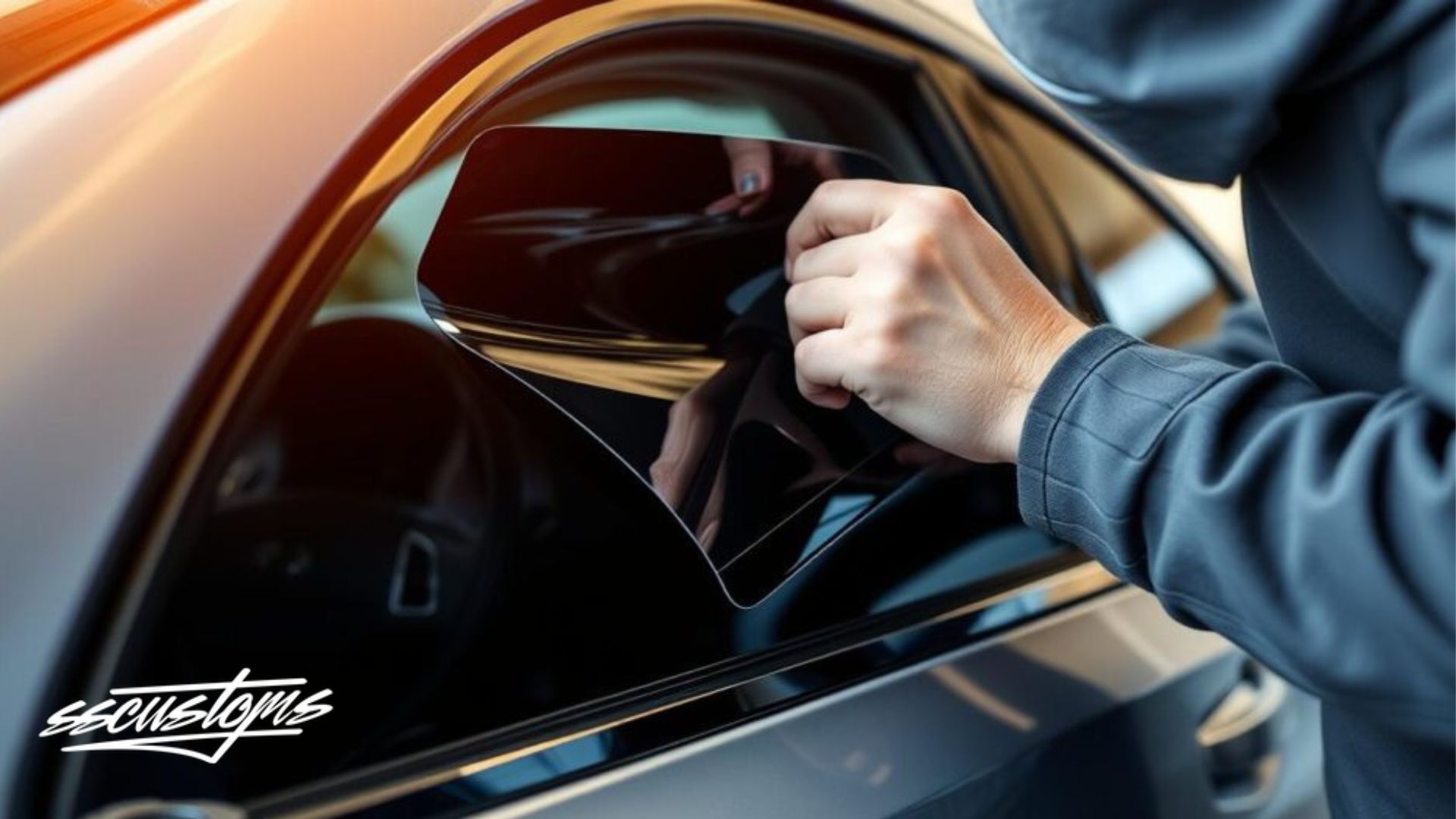
Driving around Menlo Park can feel surprisingly different from one hour to the next. You might start the morning near downtown Menlo Park with cool Bay Area air, sit in slow traffic toward Palo Alto by lunch, and later deal with direct afternoon sun on US-101, I-280, or El Camino Real. Add in parking lots, school pickups, office commutes, and weekend drives through Redwood City or Stanford, and your vehicle’s glass takes in a lot more sun than most people realize.
That is where window tint becomes more than a style choice. Yes, it can make a vehicle look cleaner and more refined, but the real value comes from how it changes the driving experience. Quality automotive tint can help manage heat, reduce glare, protect your interior, and make daily time behind the wheel feel more comfortable.
At SS Customs, we like helping drivers understand what window tint actually does before choosing a film. Not every vehicle needs the same shade, performance level, or finish, so the right choice depends on how you drive, where you park, and what you expect from the installation.
The Real Purpose of Automotive Window Tint
Automotive window tint is a thin film applied to the inside surface of your vehicle’s glass. Its job is to help control what passes through the windows, including sunlight, heat, glare, UV rays, and visibility from outside the vehicle. In simple terms, it gives your glass an extra layer of performance.
For Menlo Park drivers, that matters because the sun can feel mild one moment and intense the next. A quick drive along Sand Hill Road, an afternoon commute near El Camino Real, or a longer stretch on US-101 can expose your cabin to steady sunlight for longer than expected. Even when the temperature outside feels comfortable, the inside of a parked car can heat up fast.
The important thing to understand is that not all car window tint is made the same. Some films are mainly designed for appearance and privacy, while others focus more on heat control, UV protection, or long-term durability. A basic vehicle window film and a higher-performance automotive window tint may look similar at first glance, but they can feel very different once you spend time driving with them.
That is why choosing tint should not come down to darkness alone. The better question is what you want the film to do for your daily routine.
How Window Tint Actually Works on Your Car
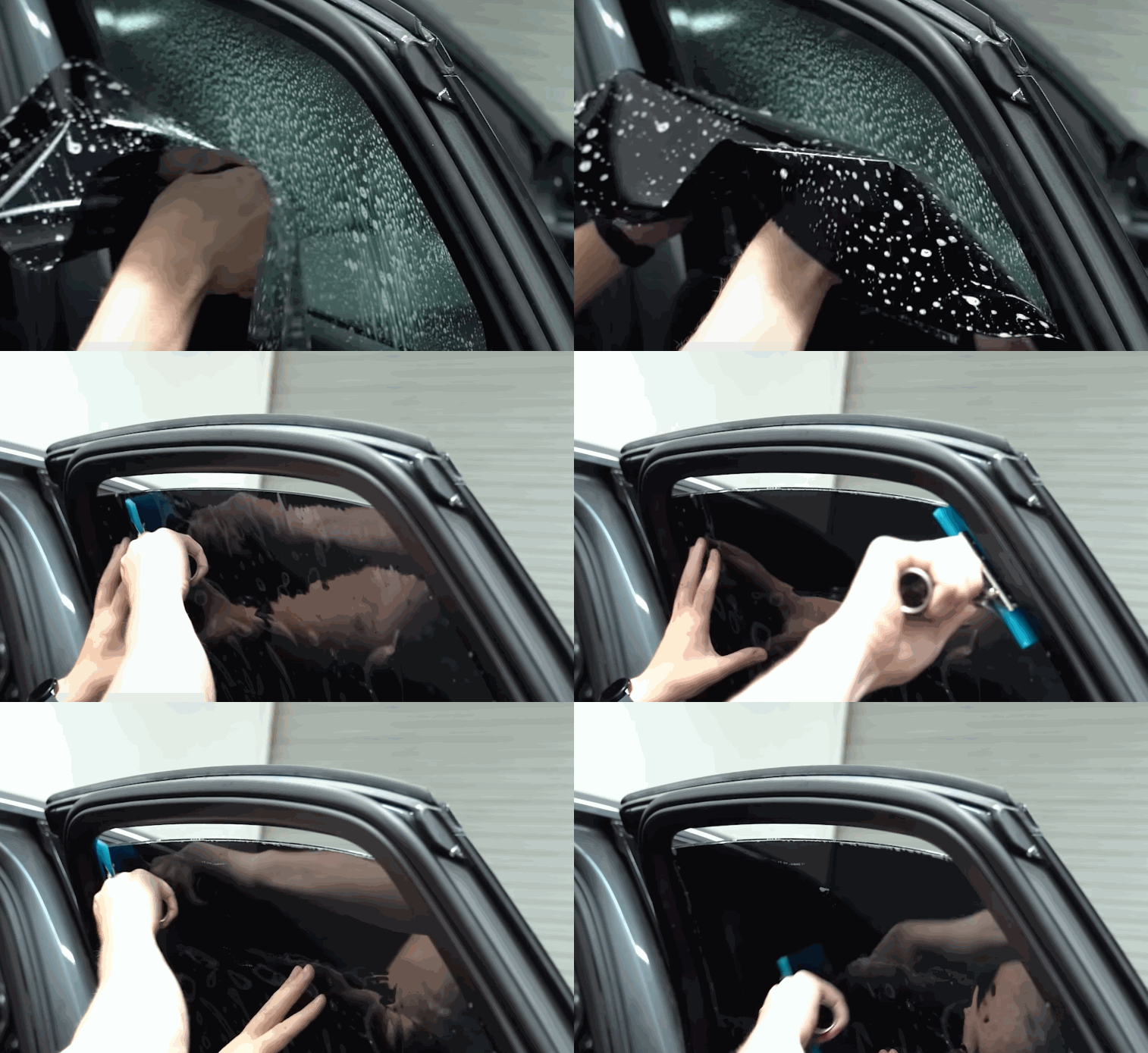
Window tint works by filtering solar energy before it fully enters your cabin. Instead of letting sunlight pass through untreated glass with little resistance, the film helps reduce certain parts of that energy, depending on the type of film installed.
Here is the simple way to look at it:
- Heat rejection window tint helps reduce the amount of heat that builds inside the vehicle.
- UV protection window tint helps block harmful ultraviolet rays that can affect your skin and fade interior materials.
- Glare reduction makes it easier to drive when sunlight reflects off glass, pavement, other cars, or bright Bay Area skies.
- Visible light transmission refers to how much light passes through the film, which affects how light or dark the tint appears.
One thing we always explain at SS Customs is that modern window films do not need to be extremely dark to perform well. A high-quality film can offer noticeable comfort while still keeping a clean, clear look from inside the vehicle. That matters if you want better driving comfort but do not want your car to feel overly dark or difficult to see out of at night.
The right film depends on your priorities. Some drivers care most about privacy. Others want better heat control for commuting. Some want a balanced option that improves comfort, protects the interior, and still keeps the vehicle looking factory-clean.
Why Menlo Park Drivers Notice the Difference
In Menlo Park, window tint is one of those upgrades you appreciate in small moments throughout the week. It is not only about one dramatic before-and-after moment. It is about getting into your car after it has been parked outside near an office, driving through stop-and-go traffic in the afternoon, or heading toward downtown Palo Alto without feeling like the sun is sitting directly on your arm and face.
Daily comfort adds up
A well-installed window tint Menlo Park CA drivers can rely on helps make the cabin feel more controlled during regular use. When your vehicle sits in the sun, tint can help reduce the intensity of heat buildup. When you are moving through traffic, it can soften harsh sunlight and make the drive feel less tiring.
Your interior gets protection too
Automotive window film also plays a role in car interior protection. Seats, dashboards, door panels, trim, screens, and other materials deal with constant sun exposure over time. Without protection, those surfaces can fade, dry out, crack, or simply age faster than they should.
That is especially relevant around the Bay Area, where many drivers park outdoors at work, near schools, around shopping areas, or during weekend plans near Stanford Shopping Center, Redwood City, or downtown Palo Alto. You may not think much about the sun hitting your interior every day, but over months and years, that exposure matters.
For us, that is one of the biggest reasons automotive window film makes sense. It improves how the car feels now while helping protect the cabin for the long run.
Different Types of Automotive Window Tint
Choosing automotive window tint is not just about picking how dark you want the windows to look. Darkness affects appearance and privacy, but performance comes from the film technology itself. That is where drivers should slow down and compare options carefully.
Common types of window tint include:
- Dyed window tint, which is usually more appearance-focused and can provide basic privacy.
- Carbon window tint, which offers a cleaner look and better performance than many entry-level films.
- Ceramic window tint, which is known for strong heat rejection, UV protection, clarity, and long-term stability.
- Premium window film, which is designed for drivers who want higher comfort, better durability, and a more refined finish.
Ceramic tint is often a strong choice for Menlo Park and Bay Area drivers because it can help manage heat without depending only on a very dark appearance. That makes it appealing for daily drivers, luxury vehicles, family cars, and anyone who spends a lot of time commuting or parking outdoors.
The best choice depends on your vehicle, your budget, and how much performance you expect from the film. At this point in the process, it helps to think less about “How dark should I go?” and more about “What do I want this film to improve every time I drive?”
Upgrade Your Drive Before Bay Area Sun Takes Over
What Professional Window Tinting Services Include
Professional window tinting services are not just about placing film on glass and calling it done. A clean installation starts before the film ever touches the window. The surface has to be prepared correctly, the right film has to be selected for the vehicle, and every edge has to be handled with care so the final result looks smooth, clear, and intentional.
At SS Customs, we look at professional window tint installation as a detail-focused process. Every vehicle has different glass shapes, door panels, visibility needs, and styling goals, so the work has to be approached with precision rather than guesswork.
A proper installation usually includes:
- Careful glass cleaning to remove dust, residue, and contamination.
- Film selection based on heat rejection, privacy, appearance, and comfort.
- Precision cutting so the film fits the specific window shape.
- Controlled application to reduce the risk of bubbles or trapped debris.
- Edge alignment for a cleaner, more factory-like finish.
- Proper curing guidance so the film can settle correctly after installation.
This is where working with an experienced car window tint installer makes a real difference. Poor installation can lead to peeling corners, uneven edges, bubbles, cloudy visibility, or small particles trapped under the film. Those problems are frustrating because they affect both the look of the car and the way the tint performs.
Professional installation gives the film the best chance to look right, last longer, and perform the way it was designed to. That is why we focus on clean prep, careful application, and helping each customer choose the right window tint for their vehicle instead of rushing them into whatever looks darkest on the sample board.
Tint Laws and Smart Film Selection in California
California drivers also need to think about legality before choosing automotive tint options. The right window tint should improve comfort and style, but it should also make sense for where the film is being installed on the vehicle.
We always recommend thinking about tint as a balance between appearance, performance, and compliance. A film can look great, but if it creates issues with visibility or does not meet California window tint laws, it may not be the smartest long-term choice.
What drivers should keep in mind
Visible light transmission, often called VLT, refers to how much light passes through the glass and film. This matters because different windows on the vehicle may have different requirements. Front side windows, rear side windows, back glass, and windshield areas are not always treated the same under legal window tint rules.
That does not mean the process has to feel confusing. It simply means drivers should avoid choosing film based only on appearance. A darker film is not always the best film, and a lighter film can still offer strong heat rejection and UV protection when the technology is right.
For Menlo Park and Bay Area drivers, professional guidance can help narrow down the options. The goal is to choose a film that improves comfort during daily driving, keeps the vehicle looking clean, and supports safer visibility from inside the cabin.
What to Expect After Window Tint Installation
Once your window tint is installed, the film still needs time to cure. This is completely normal. Curing is the process where leftover installation moisture gradually evaporates and the film settles into the glass. Weather, temperature, humidity, and where the vehicle is parked can all affect how quickly this happens.
In the Bay Area, curing can vary because Menlo Park weather is not always the same from morning to afternoon. A sunny day may help the film cure faster, while cooler or cloudy conditions can slow things down a bit.
Here are a few simple window tint care habits to follow after installation:
- Avoid rolling the windows down until the installer says it is safe.
- Do not scrub or press hard against the inside of the glass.
- Use gentle, tint-safe cleaning products once the film has cured.
- Avoid abrasive towels, sharp tools, or harsh chemicals.
- Give minor haze, small moisture pockets, or cloudy areas time to clear.
Those early moisture patterns can worry some drivers, but in many cases, they are just part of normal window tint curing. The important thing is to follow the aftercare instructions and avoid disturbing the film too soon.
At SS Customs, we make sure customers know how to maintain window tint after installation because proper care helps protect the final result. A quality film still needs a little patience at the beginning, but once it settles, it becomes an easy part of your daily driving experience.
Is Automotive Window Tint Worth It?
For most drivers who spend real time behind the wheel, automotive window tint value becomes easier to understand after living with it for a while. It is not only about how the car looks the day the film is installed. It is about the comfort you feel during a hot afternoon drive, the reduced glare on bright roads, and the peace of mind that your interior is getting an added layer of protection.
This is especially true around Menlo Park and the surrounding Silicon Valley area. Many drivers commute between Menlo Park, Palo Alto, Redwood City, Mountain View, and San Jose. Others park outdoors near offices, schools, restaurants, shopping centers, or apartment buildings. Over time, that routine adds up to a lot of sun exposure.
The biggest window tint benefits often show up in everyday moments: less harsh sunlight on your face and arms, better cabin comfort after parking outside, improved privacy, and a cleaner overall look. UV protection also helps preserve dashboards, seats, trim, and other interior surfaces that can fade or wear faster under constant sun.
So, is window tint worth it? In our experience, yes, when the film is chosen correctly and installed professionally. It should match the way you actually use your vehicle. A daily commuter may care more about heat rejection and glare reduction. A family vehicle may benefit from cabin comfort and UV protection. A luxury car owner may want a refined appearance that still performs well in real driving conditions.
The value comes from choosing window tint that does more than look good. It should make the car feel better every time you drive it.
Conclusion: Choose Professional Window Tint Installation
Automotive window tint is one of those upgrades that makes more sense the more you understand it. It can improve comfort, reduce glare, support privacy, protect interior materials, and give your vehicle a cleaner, more finished appearance. For Menlo Park and Bay Area drivers dealing with bright afternoons, outdoor parking, traffic, and regular sun exposure, those benefits can make daily driving feel noticeably better.
The key is choosing the right film and having it installed by a team that understands both performance and detail. At SS Customs, we help drivers compare options, understand what each film does, and choose a solution that fits their vehicle, their routine, and their preferences.
Whether you want better comfort during your Silicon Valley commute, more protection for your interior, or a sharper look for your car, our team is here to help. Contact SS Customs today to ask about our professional window tinting services and let us help you choose the right window tint for your vehicle.
FAQs About Window Tint Installation in the Bay Area
What does automotive window tint actually do?
Automotive window tint improves heat rejection, UV protection, glare reduction, privacy, and car interior protection while helping your vehicle feel more comfortable daily.
Are professional window tinting services worth it?
Professional window tinting services help ensure cleaner installation, better film performance, proper curing, longer durability, and fewer issues like bubbling or peeling.