

The paint protection film many Bay Area drivers rely on is a clear, durable urethane film installed over a vehicle’s painted surfaces to help protect against rock chips, scratches, road debris, bug splatter, UV exposure, and everyday wear. Often called PPF or clear bra, this protective layer is especially helpful for drivers in Menlo Park, Silicon Valley, and the San Francisco Bay Area because local vehicles often face crowded freeways, construction debris, sun exposure, and tight parking.
For owners who want to keep their factory paint finish looking newer, PPF is one of the most practical forms of automotive paint protection available. It creates a strong barrier over vulnerable panels against damage that often shows up first on the front end.
What Is Paint Protection Film?
Paint protection film is a transparent or matte automotive protective film applied directly over painted panels. Modern PPF is usually made from thermoplastic urethane, a flexible material that conforms to curves, edges, bumpers, hoods, fenders, mirrors, and other high-impact areas.
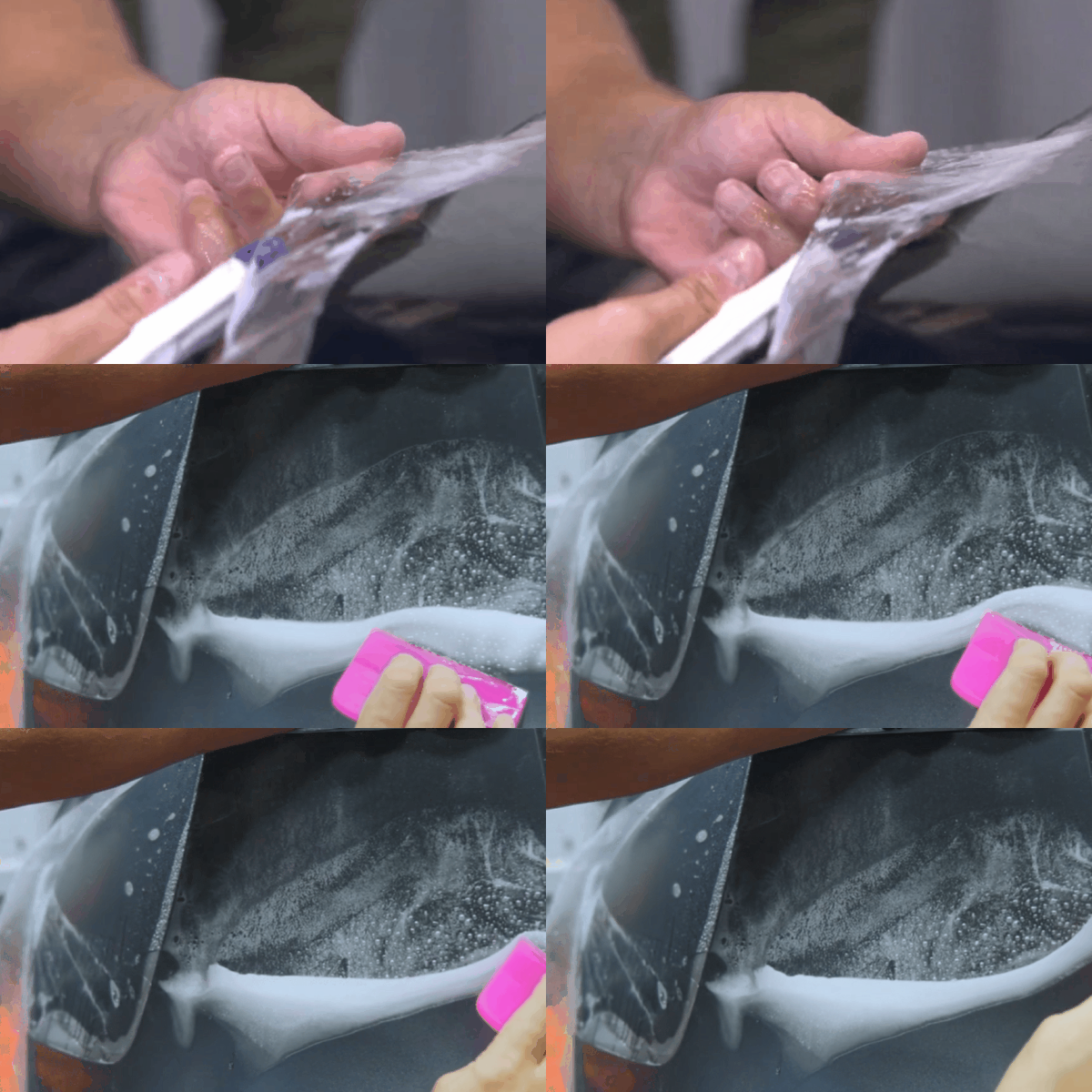
Unlike a color-change vinyl wrap, car paint protection film is designed first for defense. It preserves the original paint underneath while allowing the vehicle’s color and finish to show through. Depending on the product, PPF can create a high-gloss look, satin effect, or matte appearance.
Many drivers know PPF as “clear bra paint protection film” because early installs focused on the front bumper, hood, and mirror caps. Today, professional installers can protect everything from the front bumper to the entire vehicle with paint protection film installation.
What Is Paint Protection Film?
It Creates a Barrier Against Road Debris
The biggest benefit of PPF is that it acts as a sacrificial layer over your paint. When small rocks, sand, gravel, or freeway debris hit the vehicle, the film takes the impact before the factory paint does. That makes it especially useful for high-impact areas like the front bumper, hood, fenders, mirror caps, and rocker panels, and other areas that see the most abuse.
3M describes its paint protection film as protection against rock chips, scratches, bug damage, road tar, stains, automotive fluid stains, weathering, and harsh UV radiation. That level of protection is especially useful in the Bay Area, where a short commute can include highway debris, construction dust, bridge traffic, and dense city driving.
It Helps Reduce Light Scratches and Swirl Marks
High-quality self-healing paint protection films often include a top coat that can reduce the appearance of minor scratches or swirl marks with sunlight, warm water, or gentle heat. Light surface marks from washing, wiping, or normal contact may become less visible after exposure to sunlight, warm water, or gentle heat.
That does not mean PPF is impossible to damage. Deep cuts, hard impacts, or neglected contamination can still affect the film. However, a self-healing top coat can help the surface maintain a cleaner, smoother look than unprotected paint.
It Adds Resistance Against Stains
Bay Area vehicles are exposed to more than rock chips. Tree sap, bird droppings, bug splatter, road grime, brake dust, rain residue, and urban fallout can all affect the finish over time. PPF provides a clear protective film between these contaminants and the paint.
Some modern films also have smoother, more hydrophobic surfaces, which can make routine washing easier. The vehicle still needs proper care, but contaminants are less likely to bond directly to the paint.
Why Bay Area Drivers Should Consider Paint Protection Film
Bay Area driving is tough on paint. Menlo Park drivers often commute through Palo Alto, Redwood City, Mountain View, San Jose, San Francisco, and other parts of Silicon Valley. Roads like US-101, I-280, I-880, and nearby bridge routes expose vehicles to traffic, loose debris, construction zones, and fast-moving vehicles in close proximity.
The Caltrans Traffic Census Program tracks annual average daily traffic volumes across California state highways, reinforcing what most local drivers already know: heavily traveled roads create more exposure for vehicles. More freeway driving means more chances for small impacts, paint chips, bug splatter, and front-end wear.
That is why PPF installations in Menlo Park are not just for exotic cars. They make sense for daily drivers, Teslas, luxury vehicles, SUVs, performance cars, and anyone who wants to protect their investment before visible damage appears.
Which Areas of the Car Should Get PPF?
The right coverage depends on how the vehicle is driven, the owner’s goals, and the level of protection desired.
PPF Coverage Option | Best For | Common Protected Areas |
Partial Front PPF | Light protection or budget-conscious owners | Front bumper, partial hood, partial fenders, mirrors |
Full Front PPF | Bay Area commuters, Teslas, luxury cars, performance vehicles | Full hood, full fenders, front bumper, mirrors, headlights |
Full Vehicle PPF | Exotic cars, collector vehicles, long-term ownership, premium daily drivers | Most painted exterior panels |
Partial front PPF is a practical starting point for drivers who want basic protection on high-impact areas. Full front PPF is often the better choice for Bay Area commuters because it usually protects the full hood, full fenders, front bumper, mirrors, and other exposed surfaces. Full car paint protection film is the most complete option and is ideal for exotic vehicles, luxury cars, collector cars, matte finishes, and owners focused on long-term paint preservation.
Protect Your Paint Before Bay Area Roads Leave Their Mark
Paint Protection Film vs Ceramic Coating
PPF and ceramic coating both protect a vehicle, but they do different jobs. PPF is better for physical impact protection. It helps defend against rock chips, road debris, scratches, and minor abrasions. Ceramic coating is better for surface slickness, gloss, easier washing, and hydrophobic water behavior.
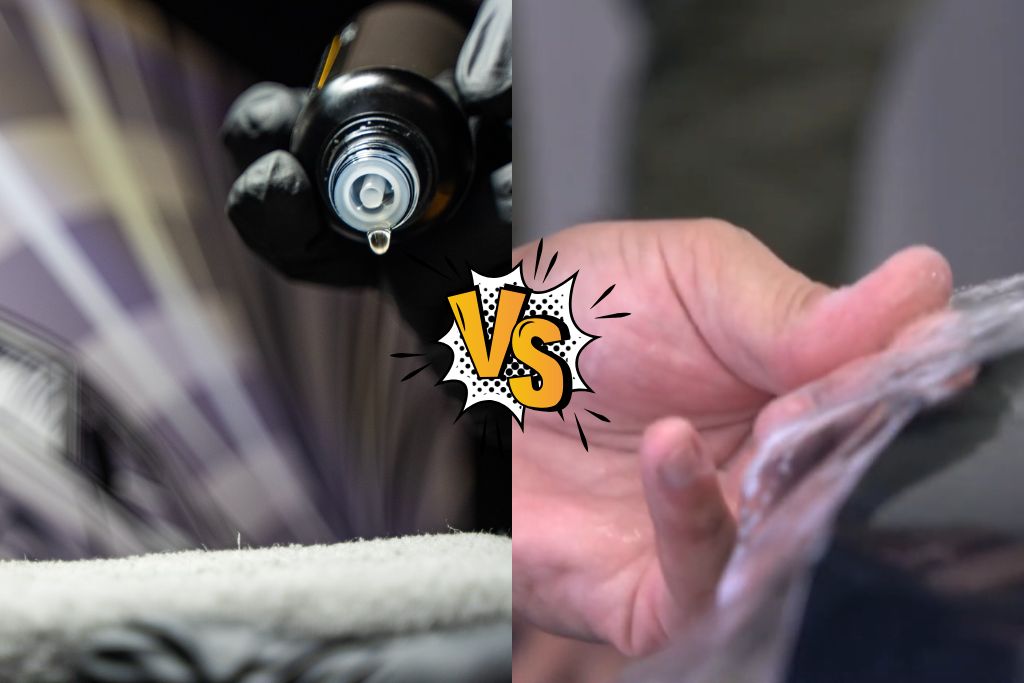
For many owners, the best solution is not choosing between ceramic coating and PPF. It is using both. A common protection strategy is to install PPF on impact-prone areas, then add ceramic coating for added gloss and easier maintenance over painted surfaces and, when appropriate, over compatible film.
Think of PPF as armor and ceramic coating as a slick, glossy maintenance layer. If your main concern is rock chip prevention, PPF should be the priority. If your main concern is shine and easier cleaning, ceramic coating can be a strong add-on.
Why Teslas, Luxury Cars, Exotics, and Daily Drivers Benefit from PPF
Tesla and EV owners in Silicon Valley often use their vehicles daily, which means the front bumper, hood, mirrors, and rocker areas can collect wear quickly. Tesla PPF is popular because it helps protect the paint from freeway debris while preserving the clean, modern appearance many EV owners want.
Luxury and exotic vehicles benefit because paint repair can be expensive, and originality matters. A Porsche, Lamborghini, Ferrari, Mercedes-Benz, BMW, Rivian, Lucid, or premium Tesla can lose visual appeal quickly when the front end is covered in chips. PPF helps luxury car owners preserve the finish that buyers and collectors value.
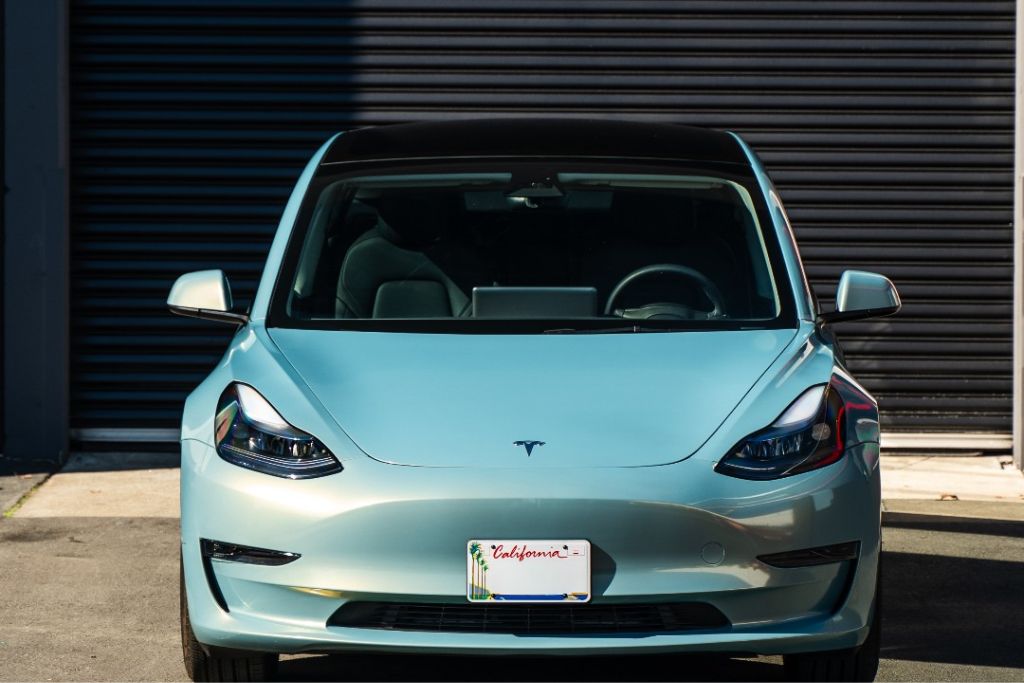
Daily drivers benefit too. Grocery runs, office commutes, parking garages, and weekend drives all add up. For EV-focused protection and personalization, SS Customs also offers Tesla and EV customization services in Menlo Park, making it easier for owners to combine protection, styling, and functional upgrades in one place.
Does Paint Protection Film Help Preserve Resale Value?
Paint condition plays a major role in how a vehicle looks to future buyers. Even when a car runs perfectly, a chipped bumper, sandblasted hood, stained mirrors, or scratched door edges can make it look older than it is.
PPF helps preserve resale value by protecting the factory paint finish. Original paint is often preferable to repainted panels, especially on luxury, exotic, and collector vehicles. While PPF does not guarantee a specific resale price, it can help keep the exterior in better condition and reduce the visible wear buyers notice during a walkaround.
This can also matter for leased vehicles. Drivers who want to avoid excess wear concerns may choose clear bra protection early in ownership, before the most exposed panels begin showing damage.
How Long Does Paint Protection Film Last?
Professional-grade PPF can last several years, with many quality films offering warranty coverage up to 10 years, depending on the product, installer, maintenance, and use. For example, 3M lists a 10-year consumer warranty on certain paint protection film products, while XPEL paint protection film is known for self-healing protection designed for rock chips, scratches, and scuffs.
Actual lifespan depends on film quality, installation technique, paint preparation, sun exposure, washing habits, storage conditions, and driving environment. A garaged weekend car may age differently than a daily commuter parked outside in the Bay Area.
Why Professional PPF Installation Matters
Professional PPF installation has a major impact on how the film looks and how long it lasts. Proper prep may include washing, decontamination, paint correction when needed, panel inspection, and careful film placement. Rushing this process can trap dirt under the film or leave visible imperfections.
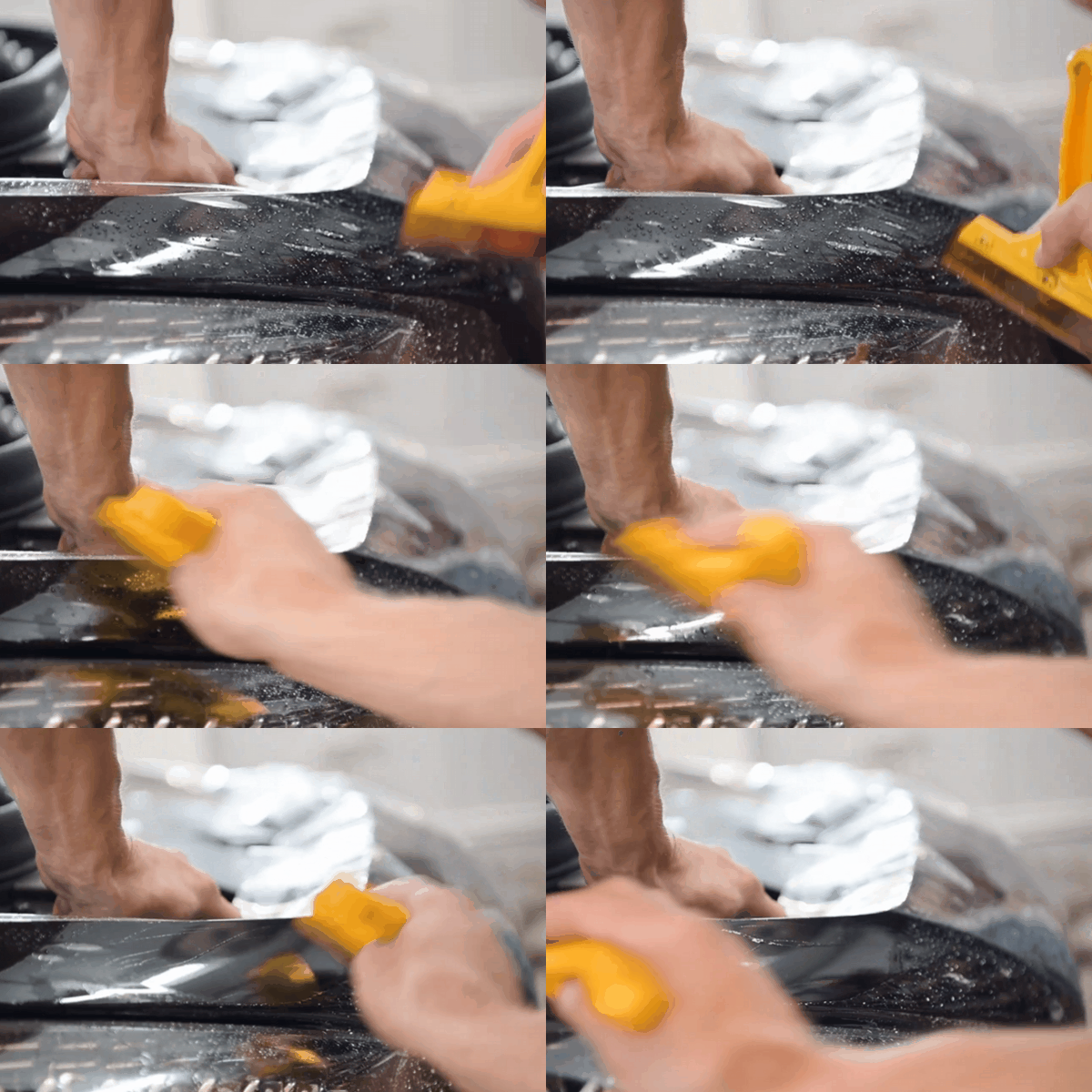
A skilled installer understands how to stretch film correctly, wrap edges where appropriate, align patterns, reduce visible seams, and protect complex curves without stretching the material too far. Poor installation can lead to peeling edges, lift lines, bubbles, adhesive marks, or uneven coverage.
SS Customs is a Menlo Park-based vehicle enhancement studio serving Silicon Valley and the San Francisco Bay Area with more than 20 years of hands-on experience. The team works with daily drivers, Teslas, luxury vehicles, and exotics, bringing precision craftsmanship to automotive protection, customization, and performance services.
Take a quick look inside SS Customs and see how our Menlo Park team brings design, protection, and performance together.
Think of PPF as armor and ceramic coating as a slick, glossy maintenance layer. If your main concern is rock chip prevention, PPF should be the priority. If your main concern is shine and easier cleaning, ceramic coating can be a strong add-on.
Protect Your Paint Before Bay Area Roads Leave Their Mark
Is Paint Protection Film Worth It?
For many Bay Area car owners, PPF is worth it because it protects the areas most likely to show damage first. If you drive on highways often, own a new vehicle, lease a car, drive a Tesla, or want to preserve a luxury or exotic vehicle, paint protection film can be a smart preventive investment.
The best time to install PPF is before the paint is chipped, scratched, or heavily contaminated. Once damage happens, the vehicle may need paint correction or repair before film can be installed. Starting early helps protect the original finish and keeps the vehicle looking newer with less visible wear.
Protect Your Vehicle with SS Customs in Menlo Park
For Bay Area drivers, paint protection film should do more than keep a vehicle looking clean on day one. It should protect the finish through daily commuting, changing weather, road debris, and long-term ownership.
SS Customs provides paint protection film and clear bra services in Menlo Park for drivers throughout Silicon Valley and the San Francisco Bay Area. Whether you want full front PPF for a daily commute, full car paint protection film for a luxury vehicle, or PPF for your Tesla in the Bay Area, the team can help you choose the right coverage for your car.
If your goal is to keep your paint looking newer, reduce visible wear, and preserve the factory finish, professional PPF installation is one of the most practical protective upgrades you can make.
FAQs About Paint Protection Film in the Bay Area
What is paint protection film, and why do Bay Area drivers use it?
Paint protection film is a clear urethane film installed over painted surfaces to help protect against rock chips, scratches, road debris, stains, and UV exposure. Bay Area drivers use it because local freeway traffic, construction zones, urban parking, and environmental contaminants can be hard on vehicle paint.
Why should car owners choose PPF instead of only waxing or ceramic coating?
Wax and ceramic coating can improve gloss and make cleaning easier, but they do not provide the same physical impact resistance as vehicle paint protection film. For rock chip protection for cars, PPF is the stronger option.