

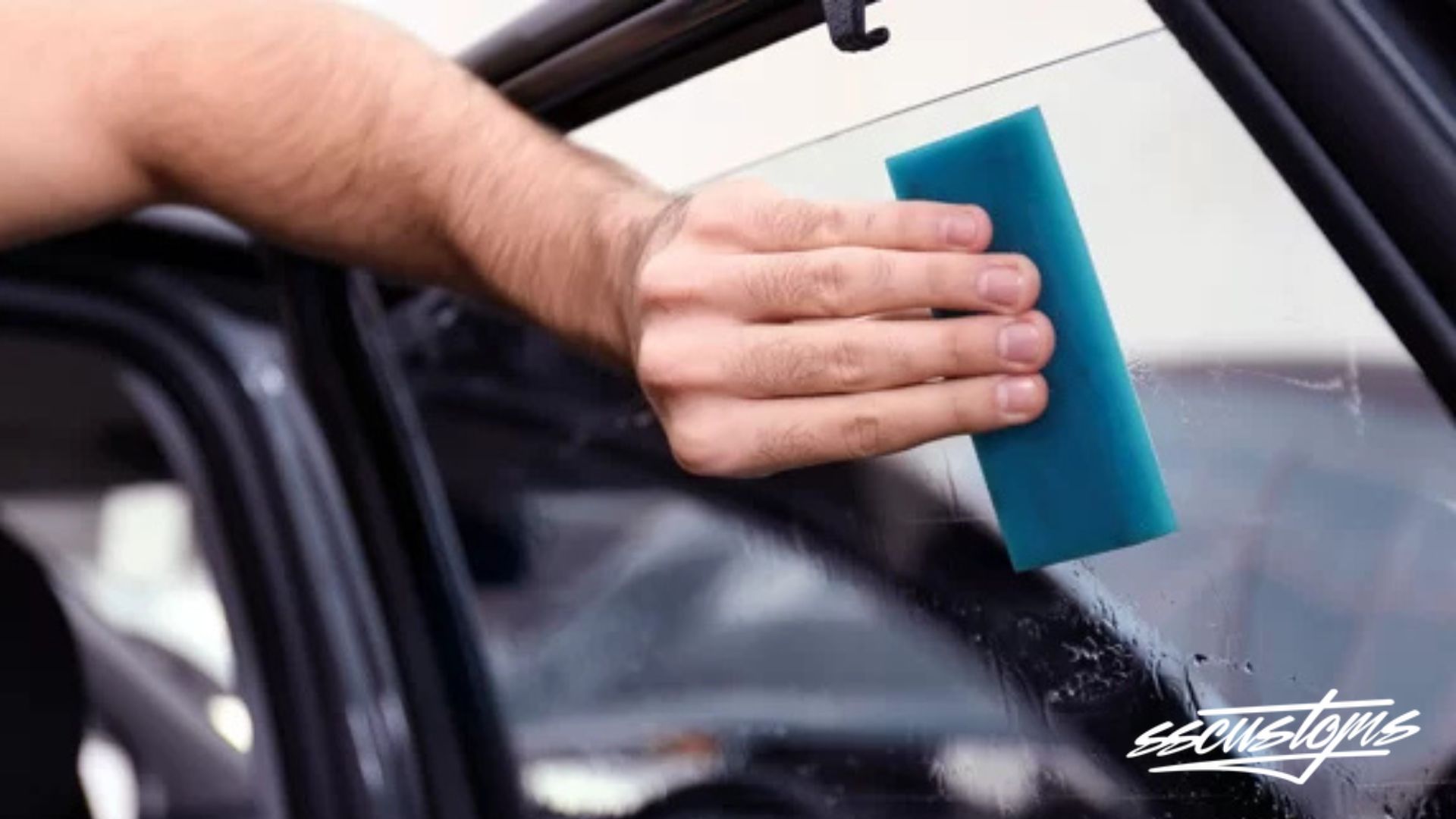
There is something funny about Bay Area weather: it can feel perfectly mild when you step outside, but your car can still feel like it has been baking for hours. Around Menlo Park, Palo Alto, Redwood City, San Mateo, San Jose, and the Peninsula, that mix of direct sun, outdoor parking, and long stretches of stop-and-go traffic can turn a comfortable day into a very uncomfortable drive.
So, does window tint actually reduce heat inside your car? Yes, the right film can make a noticeable difference. Quality automotive window tint is designed to help control how much solar energy enters through your glass, which can reduce heat buildup, improve cabin comfort, and make your daily drive feel less draining.
At SS Customs, we talk to a lot of Bay Area drivers who originally think car window tint is mostly about appearance. We get it, the look matters. But once you understand how window film works, it becomes clear that performance is a big part of the value. The right tint should make your vehicle feel better, not just look better.
Why Cars Heat Up So Quickly in the Bay Area
A vehicle heats up because sunlight passes through the glass and gets absorbed by the surfaces inside the cabin. Seats, dashboards, center consoles, door panels, trim, and even screens can hold that heat. Once those materials warm up, the interior can feel much hotter than the outside temperature suggests.
That is why Bay Area sun exposure can be tricky. A morning in Menlo Park may feel cool enough for a light jacket, but by the afternoon, a car parked near a Silicon Valley office lot or outside a school pickup line can feel completely different. Palo Alto, San Jose, and Redwood City all get those bright afternoons where the sun sits directly on the glass for hours.
Glass alone does not do much to control solar heat. It creates a barrier from the outside, but it still allows a significant amount of sunlight and heat energy to enter the cabin. Once that heat is trapped inside, your AC has to work harder to bring the temperature back down.
That is the reason car heat buildup is not only a summer issue. Even during mild Bay Area weather, vehicle interior heat can become uncomfortable when your car sits outside long enough. The problem is not always the air temperature. Often, it is the amount of solar energy entering through untreated glass.
How Window Tint Helps Reduce Interior Heat
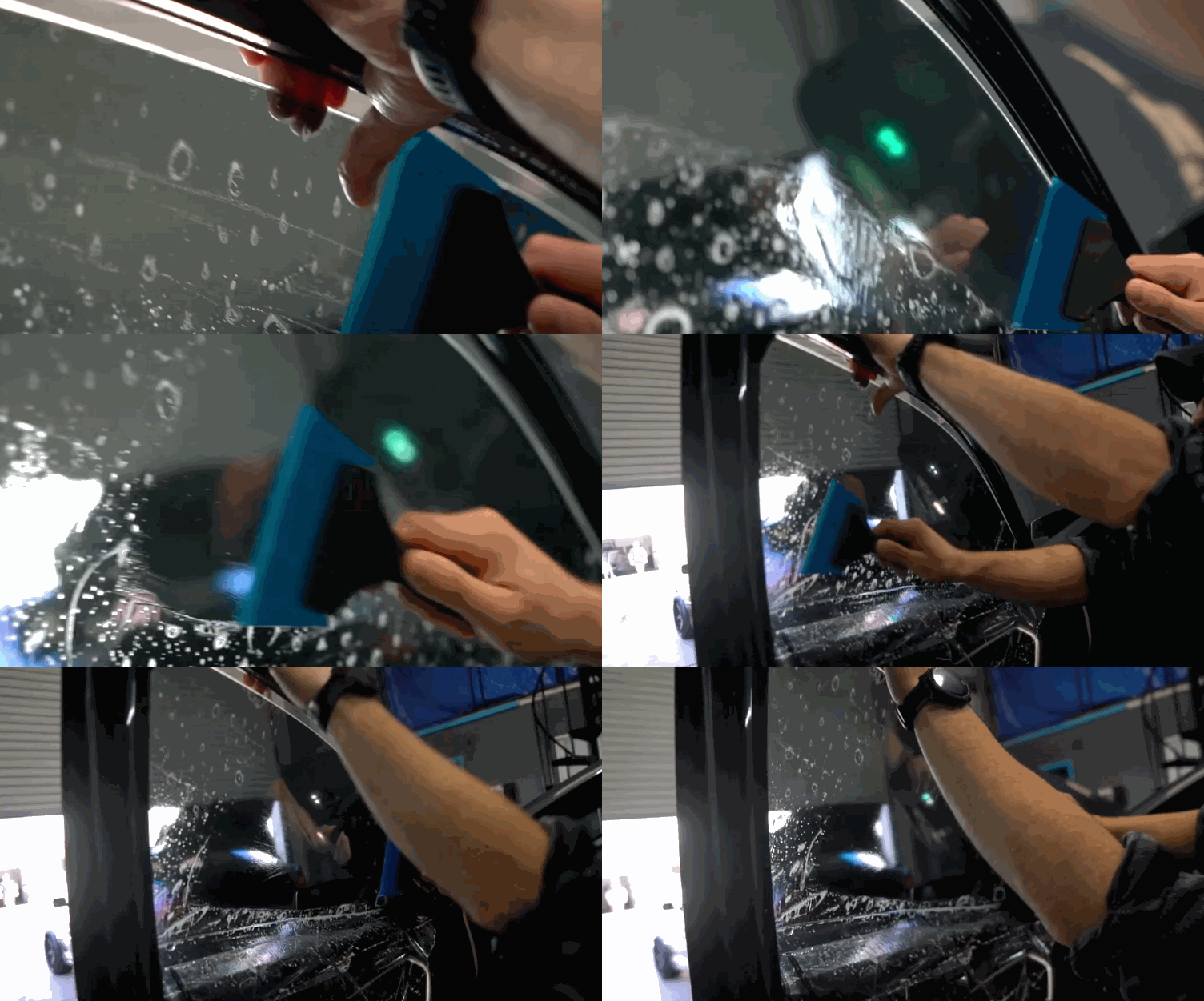
Window tint helps reduce interior heat by filtering solar energy before it fully enters the cabin. Instead of letting sunlight pass through plain glass without much resistance, a quality window film adds a performance layer that can reject certain types of heat, reduce glare, and help protect interior materials from UV exposure.
The important thing is that heat rejection depends on film quality, film technology, and installation, not just how dark the tint looks. That is something we explain often at SS Customs because two films may look similar from the outside but perform very differently once you drive with them.
A few terms help explain how heat rejection window tint works:
- Infrared rejection refers to how well the film helps reduce the heat-producing part of sunlight.
- UV protection window tint helps block ultraviolet rays that can contribute to fading and interior wear.
- Glare reduction makes bright driving conditions easier on your eyes.
- Visible light transmission measures how much light passes through the film, which affects how light or dark the tint appears.
When all of these elements work together, the cabin can feel more controlled and more comfortable. You may still need your AC, especially on warmer days, but the car does not feel like it is fighting the sun as aggressively.
For Bay Area drivers, that balance matters. You want comfort, but you also want visibility, style, and a clean finish. That is why choosing the right window tint should involve more than picking the darkest option available.
Darker Tint Does Not Always Mean Cooler Tint
One of the biggest misconceptions about window tint is that darker automatically means cooler. It makes sense at first glance. A darker film looks like it should block more sun. But modern film technology does not work that simply.
A basic dark dyed film may give you privacy and a certain look, but it may not reject heat as well as a lighter premium window tint with better technology. That is why ceramic window tint has become such a strong choice for drivers who care about comfort. Ceramic films are often designed to deliver better heat rejection while maintaining good clarity from inside the vehicle.
Performance matters more than shade alone
The smarter question is not always “How dark can I go?” It is “How much heat can this film reject while still giving me the look and visibility I want?” That is where premium window film can outperform cheaper options, even if it does not look as dark.
Visibility still matters
Bay Area driving is not all bright afternoons. You also deal with early mornings, shaded streets, parking garages, evening commutes, and nighttime visibility. Going too dark can affect how comfortable you feel behind the wheel in lower-light conditions.
California rules should be part of the conversation
Choosing film also means considering legal window tint California guidelines. Front side windows, rear windows, and windshield areas may have different considerations, so the best choice should balance appearance, comfort, heat rejection, and compliance.
A great tint setup should feel good during the day without creating problems when conditions change. That is the difference between tint that only looks good and tint that actually works well for daily driving.
Bay Area Driving Conditions Where Heat Reduction Matters
Heat control window tint makes the most sense when you think about how Bay Area drivers actually use their vehicles. It is not just about one hot afternoon. It is about repeated exposure, daily routines, and all the small moments where your car sits in the sun longer than expected.
Around the Bay Area, this can include:
- Commuting on US-101 or I-280 during bright afternoon hours.
- Parking outdoors near offices in Menlo Park, Palo Alto, San Mateo, or Silicon Valley.
- Sitting in stop-and-go traffic around San Francisco, Oakland, or the East Bay.
- Running errands in the South Bay while the vehicle heats up between stops.
- Driving a Tesla, luxury vehicle, family car, or commuter car with large glass areas.
- Leaving the car parked during school pickups, weekend plans, or longer workdays.
Those situations are where window tint Bay Area drivers choose for heat reduction can become noticeable. The cabin may still warm up, but the heat feels less intense, the glare is easier to manage, and the interior does not feel as harsh after sitting outside.
For daily drivers and commuters, that comfort adds up. For Teslas and vehicles with larger glass surfaces, the difference can feel even more important. For luxury vehicles, tint can help support both cabin comfort and interior preservation.
That is why car window tinting is not just a cosmetic upgrade in this area. When the film is chosen well and installed properly, it becomes part of how you make the vehicle more livable for Bay Area driving.
Protect You & Your Car with Window Tint
What Professional Window Tinting Services Do Differently
Professional window tinting services are not just about picking a film and applying it to the glass. The quality of the installation affects how the film looks, how clearly you see through it, how well it adheres, and how long it performs. That is why a heat-rejecting film still needs the right process behind it.
At SS Customs, we focus on clean installation because even a great film can disappoint if the prep work is rushed. Dust, residue, poor cuts, uneven edges, or improper curing can all affect the final result. A professional window tint installation should feel precise from the first step to the last.
A proper installation usually includes:
- Thorough glass preparation to remove dust, oils, and contamination.
- Film selection based on heat rejection, visibility, appearance, and vehicle use.
- Precision cutting for the shape of each window.
- Clean application to reduce bubbles, haze, and trapped debris.
- Careful edge alignment for a more finished appearance.
- Contamination control throughout the process.
- Proper curing guidance after installation.
This is where working with an experienced car window tint installer matters. Professional installation helps the film perform the way it was designed to perform. It also reduces common issues like peeling corners, cloudy spots, uneven lines, bubbling, or poor visibility from inside the cabin.
For Bay Area drivers, that kind of detail makes a difference. If you are investing in window tinting services for heat control, the goal is not just to make the glass darker. The goal is to choose the right film, install it correctly, and make the vehicle feel more comfortable every time you drive.
How to Choose the Right Window Tint for Heat Control
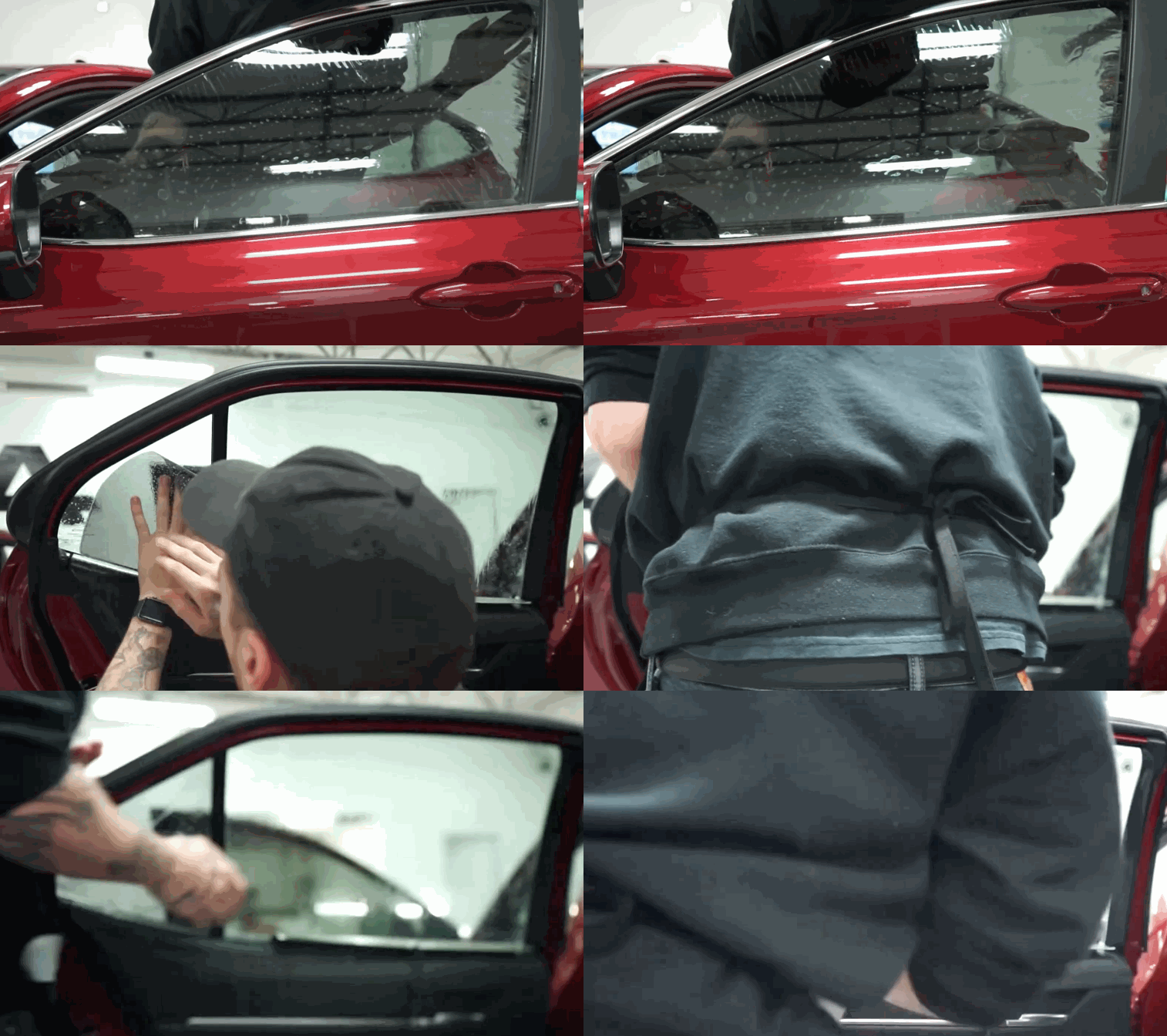
The best window tint for heat is not always the darkest film on the board. The right choice depends on your vehicle, your driving habits, where you park, how much visibility you want, and what kind of performance you expect from the film.
Some drivers want maximum heat rejection because their car sits outside most of the day. Others want a balanced look that improves comfort without changing the vehicle’s appearance too much. Some care most about UV protection, while others are focused on glare, privacy, or keeping the interior looking newer.
When comparing automotive window tint options, think about these factors:
- Heat rejection, especially if your vehicle sits outdoors often.
- Infrared rejection, which plays a major role in reducing felt heat.
- UV protection for your skin, seats, dashboard, and interior trim.
- Appearance, including shade, reflectivity, and overall style.
- Visibility during daytime, nighttime, and shaded driving conditions.
- Warranty coverage and long-term film durability.
- Legal requirements for California vehicles.
We always tell customers to think beyond shade percentage. A film can look dark but still offer limited performance, while a premium film in a lighter shade can deliver impressive comfort. Real-world comfort matters more than simply choosing the darkest legal option.
At SS Customs, we help drivers compare window tint performance based on how they actually use their cars around the Bay Area. A commuter driving through Silicon Valley every day may need something different from a weekend car, a family SUV, or a luxury vehicle parked outdoors in Menlo Park or Palo Alto.
Conclusion: Window Tint Services
Window tint can absolutely reduce heat inside your car, but the results depend on the film you choose and how well it is installed. A quality heat-rejecting film can help control solar energy, improve comfort, reduce glare, protect interior materials, and make daily driving feel less harsh in Bay Area conditions.
For drivers around Menlo Park, Palo Alto, San Mateo, San Jose, Redwood City, and the Peninsula, that added comfort can make a real difference. Outdoor parking, bright afternoons, traffic, and long commutes all add up, and the right window tint helps your vehicle feel better prepared for that routine.
At SS Customs, we help Bay Area drivers choose window tint based on heat reduction, comfort, appearance, and long-term performance. Our team is here to guide you through the best options for your vehicle and install the film with the care it deserves.
Contact SS Customs today to schedule professional window tinting services and choose the right window tint for heat reduction, comfort, and style.
FAQs About Window Tint Installation in the Bay Area
Does window tint really reduce heat inside your car?
Yes, quality window tint can reduce interior heat by filtering solar energy, improving cabin comfort, supporting UV protection, and reducing glare during daily driving.
What is the best window tint for heat reduction?
Ceramic window tint is often a strong choice because it offers heat rejection, infrared reduction, UV protection, visibility, and long-term window tint performance.